
Spargo Space
Orlando Space Autonomy Series

How does a spacecraft decide it is safe to get closer?

A free workshop series on the decisions autonomous spacecraft make when the camera is uncertain and the link to Earth drops out. You plan an approach, test what an image can tell you, trace how software rejects an unsafe command, and show what you built.

  • Free
  • Hands-on
  • Saturdays in Orlando
  • No space background needed
  • Laptop not required
  • Food and drinks provided
  • Four sessions, come to one or all
  • Closing networking evening
The series

Four sessions, one question

Each session builds on the last, and each one stands alone. A ten-minute recap opens every session for newcomers.

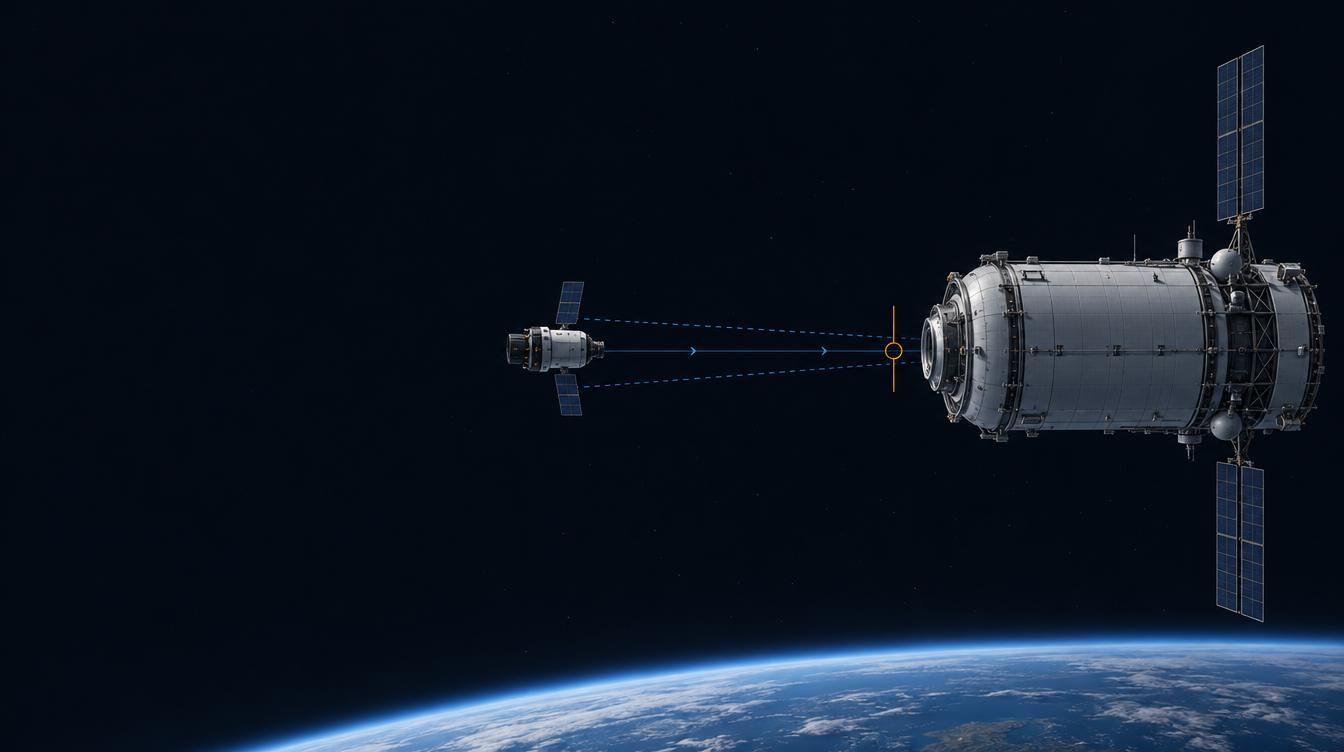
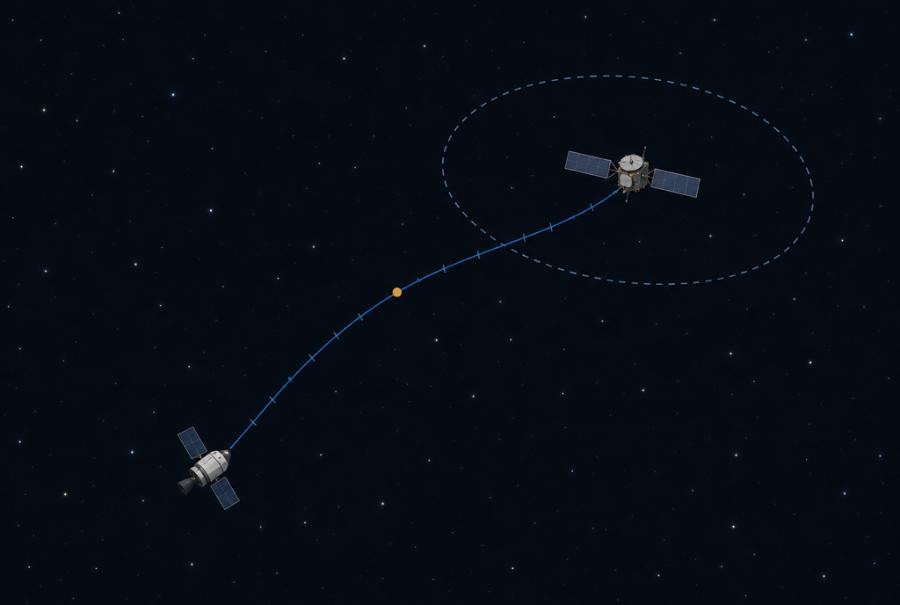
  1. Illustration: a chaser spacecraft follows a curved approach path toward a target satelliteSession 01

    Rendezvous and simulation

    When should an approach continue, hold or stop? Plan a path, then test it with missing or uncertain data.

    OUTPUT: a mission map and a before/after test record

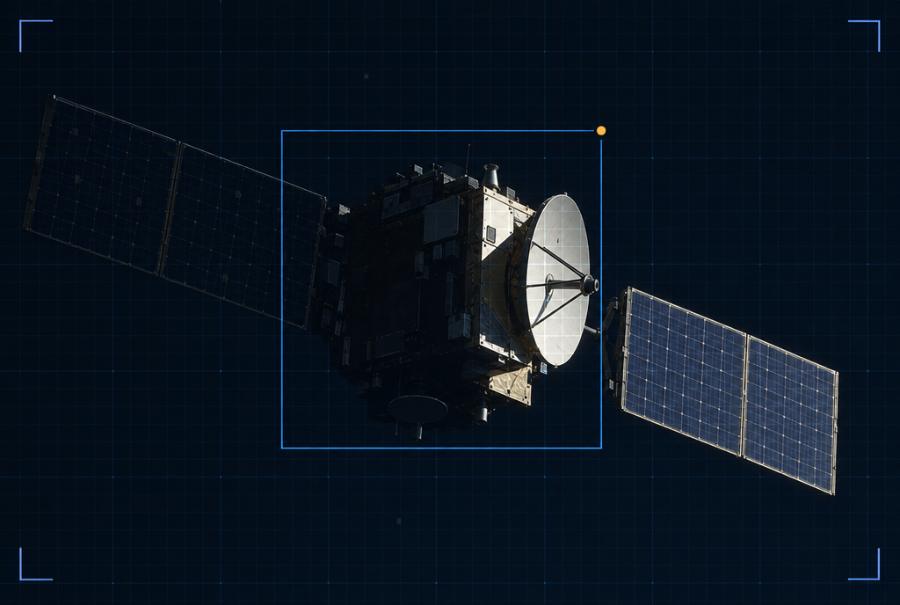
  2. Illustration: a satellite half in shadow seen through a spacecraft camera with a detection boxSession 02

    Vision and perception

    What can a camera image tell a spacecraft, and what stays uncertain? Annotate public images and find where detection fails.

    OUTPUT: an error gallery and a hold rule

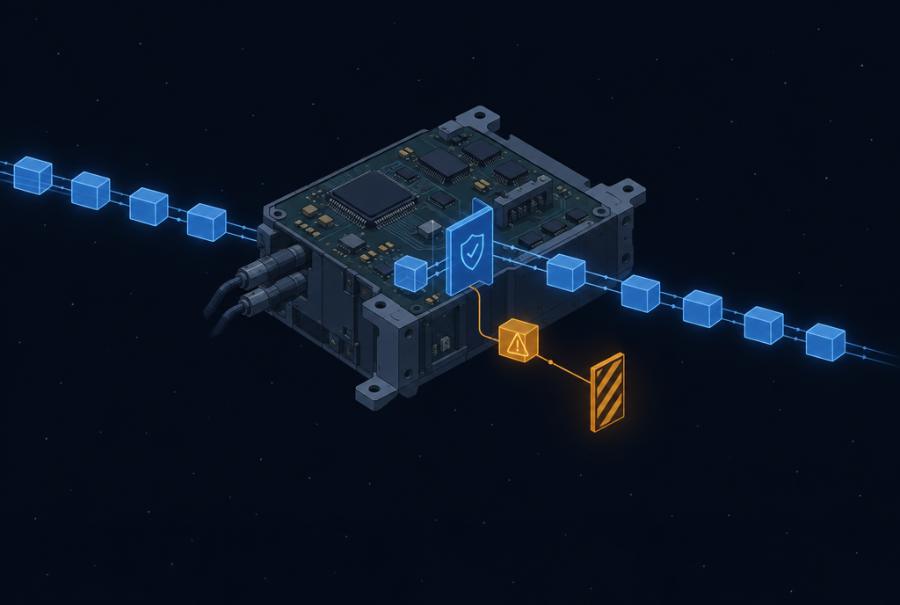
  3. Illustration: a flight computer module with a stream of command blocks, one stopped at a barrierSession 03

    Flight software and safety

    How should a system reject an unsafe command? Trace a request through a rule check using NASA's open-source flight software framework.

    OUTPUT: a state diagram and a four-case safety test

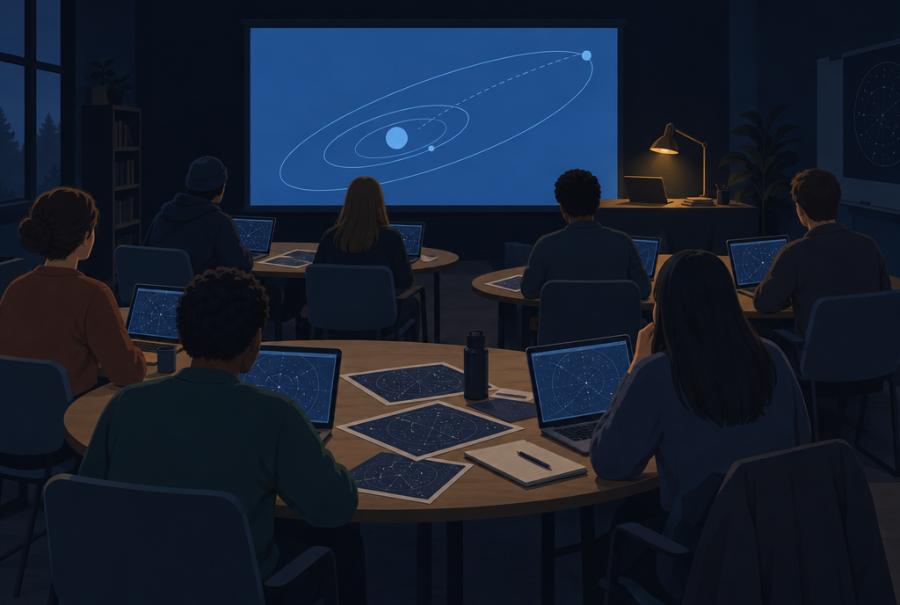
  4. Illustration: participants at round tables with laptops facing a screen showing an orbit diagramSession 04

    Showcase and pathways

    Teams present what they tested, what they learned and what they could not establish, followed by a panel on routes into the field.

    OUTPUT: a team review and a next-step plan

Approach corridor teaching diagram A chaser spacecraft moves along an approach corridor toward a target, pausing at hold points outside a circular keep-out zone. KEEP-OUT 200 M TARGET 1000 m 560 m 200 m 0 m H1 HOLD H2 CHASER
Session 1 teaching map. The chaser may continue only inside the corridor, and stops at each hold point until the data says it is safe. A justified hold counts as success. Distances are illustrative, not a real mission plan.
Teaching map

Continue, hold or stop

Every session returns to this map. The chaser may move only inside the corridor and must stop at each hold point until the data justifies the next step. In Session 1 you plan it, in Session 2 you test what the camera can and cannot confirm, in Session 3 you trace how the software enforces it, and in Session 4 you show what held up.

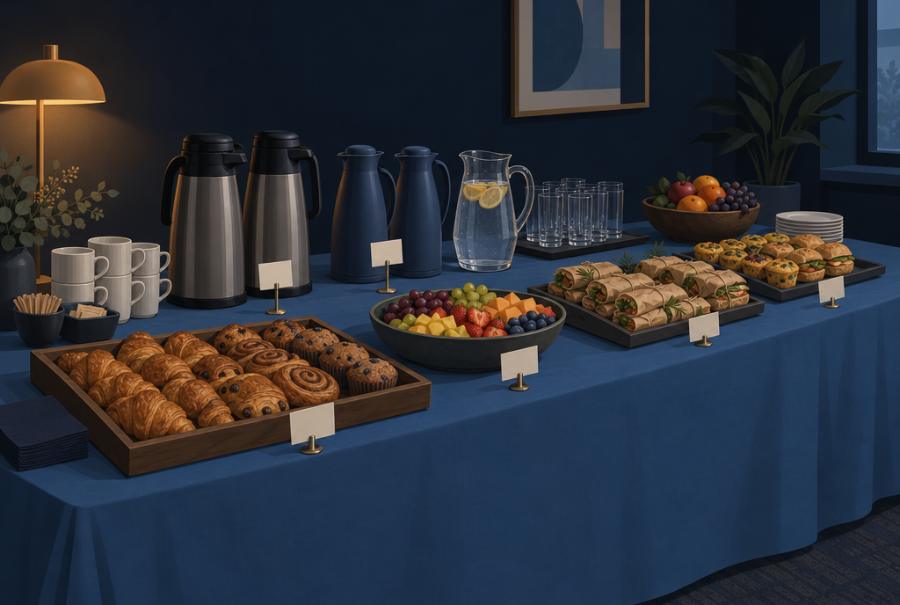
Illustration: small groups of people talking at an evening reception with an orbit diagram projected on the wall
The final event

A networking evening to close the series

After the four sessions, the series ends with an evening that is not a class. Students and career changers meet founders, engineers and investors from the Orlando space community, and teams keep their showcase work on display. Food and drinks are included.

Open to everyone on the interest list, whether you attended one session or all four. Date and venue go to the list first.

StudentsFoundersInvestorsEngineersMentorsLocal employers
Two ways to take part

Pick the route that fits you

Explore

Paper maps, printed images and tabletop tests.

  • No coding
  • No laptop
  • Work in pairs or small teams

Build

Prepared software exercises on laptops provided at each table.

  • Nothing to install
  • Simplified models with explicit units
  • Guided exercises with instructor support
StudentsEarly-career engineersSoftware developersCareer changersFoundersCurious Orlando residents
How it works

From interest list to seat

  1. Join the interest list

    Tell us how you would like to take part: attend, volunteer at a table, or speak or mentor.

  2. Get dates first

    When dates and location are confirmed, the interest list hears before anyone else.

  3. Register for sessions

    Choose the sessions you want. Seats are limited per session, with a waitlist.

Illustration: a workshop table with coffee carafes, water, pastries, fruit and labeled snacks
Food and drinks

Food and drinks are on us

Each Saturday starts with coffee, tea, water and a light breakfast, and food and drinks are provided throughout the session at no cost.

Questions

Before you sign up

Does it cost anything?

No. The series is free.

Do I need to know about space or coding?

No. The Explore route needs no coding at all, and every session starts with a short recap.

What is the networking evening?

A final gathering after the four sessions, open to everyone on the interest list. It brings students, career changers, founders, engineers and investors from the Orlando space community into one room, with showcase work on display and food and drinks included. It is not a class and has no sign-in test; come to meet people.

Do I need to attend all four sessions?

No. Come to one or all. Teams keep a project folder so you can pick up where you left off.

When and where?

In Orlando, on Saturday mornings. Exact dates and location go to the interest list as soon as they are confirmed.

Is there an age requirement?

The age policy will be confirmed with the venue and shared when registration opens.

Are food and drinks provided?

Yes, at every session and at no cost.

Will sessions be recorded?

Yes. Off-camera seating will be available, and you choose whether you may appear in photos or video.

What if I need an accommodation?

Tell us on the form. We will follow up privately to plan what you need.

Privacy disclosure

We ask only what we need to plan the sessions. Only the two organizers can see individual responses. We never share your information with sponsors or partners, and we report only totals to our funder.